Follow Me On Social Media!

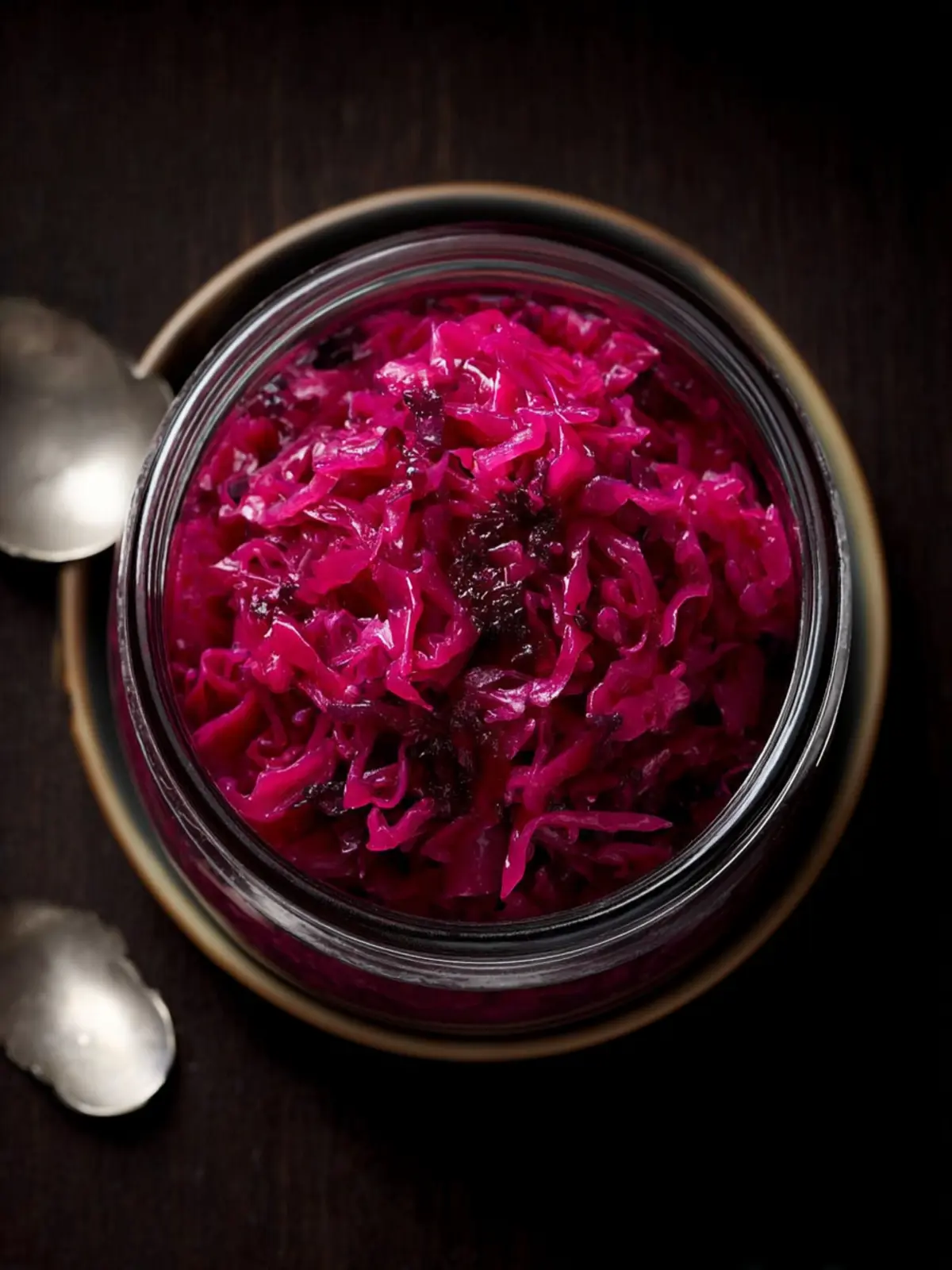
Beet and Cabbage Sauerkraut: The Best Homemade Fermentation!

Introduction to Beet and Cabbage Sauerkraut
Embarking on the journey of creating beet and cabbage sauerkraut is not just about fermentation; it’s about celebrating the marriage of flavors and the elevation of humble vegetables. Imagine a warm kitchen filled with the tangy aroma of cabbage mingling with the sweet earthiness of beets, promising a unique twist on a time-honored tradition. This vibrant dish marries health and taste, making it a flavorful side that can complement countless meals.
What makes Beet and Cabbage Sauerkraut so special?
Beet and cabbage sauerkraut stands out for several reasons, both nutritionally and culinarily. First and foremost, it brings a vibrant burst of color to your table, transforming an everyday dish into a feast for the eyes. Unlike traditional sauerkraut, the addition of beets not only enhances the color but also adds a subtle sweetness and an array of nutrients. Beets are known for their high levels of folate, potassium, and antioxidants, contributing to heart health and improved athletic performance.
The fermentation process itself is a delicious adventure. When you engage in making your own sauerkraut, you unlock beneficial bacteria that promote gut health—something modern diets often overlook. Plus, homemade sauerkraut is far more flavorful and customizable than store-bought versions, allowing you to adjust the seasoning and salt levels to your personal liking.
Here’s what else to love about this delightful dish:
- Versatility: The beet and cabbage sauerkraut pairs wonderfully with various dishes, from sandwiches and salads to grilled meats and vegetarian bowls.
- Easy to Make: While many might think fermentation is daunting, this recipe simplifies the process, making it accessible to everyone, even those who are new to the kitchen.
- Creative Expression: You can play around with spices and other ingredients, creating a version that suits your taste buds perfectly.
Crafting your own beet and cabbage sauerkraut is not just a cooking task; it’s a way to connect with your food and embrace healthy living. So roll up your sleeves and get ready for a culinary delight that’s as rewarding to make as it is to eat!
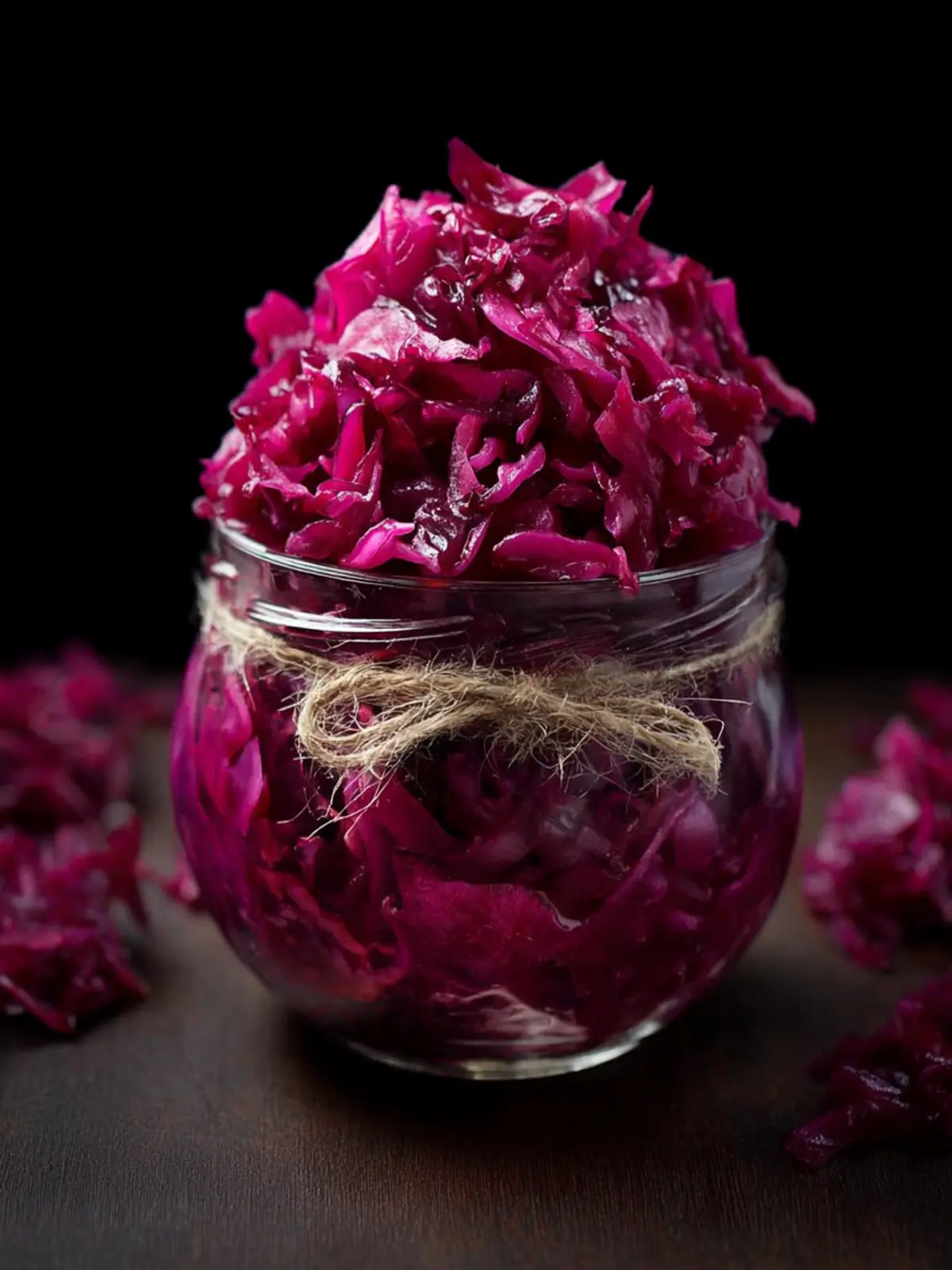
Key Ingredients for Beet and Cabbage Sauerkraut
Creating your own beet and cabbage sauerkraut is a delightful journey that enhances the flavor and health benefits of classic fermented foods. The beautiful hues of beets paired with crisp cabbage are not only visually appealing but also packed with nutrients. Let’s explore the key ingredients that make this recipe shine.
-
Cabbage: Fresh green cabbage serves as the base for this sauerkraut. When selecting cabbage, look for heads that are tightly packed with crisp, unblemished leaves. The crunchiness of the cabbage creates the perfect texture once fermented.
-
Beets: I prefer using fresh beets for their vibrant color and natural sweetness. They not only contribute to the visual appeal but also add an earthy depth of flavor. If fresh beetroot isn’t available, vacuum-packed or pickled beets can work as substitutes.
-
Sea Salt: This is essential for fermentation. Sea salt helps draw out moisture from the vegetables, creating a brine that encourages the growth of beneficial bacteria. Avoid table salt, as it contains additives that can hinder the fermentation process.
-
Caraway Seeds: For an added layer of flavor, caraway seeds bring an interesting spice to the mix. Their slightly sweet, earthy notes complement the sweetness of beets perfectly. If you’re feeling adventurous, other spices like dill or mustard seeds can be used too.
When you gather these ingredients, you’re not just making beet and cabbage sauerkraut—you are crafting a fusion of flavors that will transform your meals into a wholesome experience. Happy fermenting!
Why You’ll Love This Beet and Cabbage Sauerkraut
Creating your own beet and cabbage sauerkraut is not just a culinary endeavor; it’s a celebration of flavors and community that connects you to the age-old tradition of fermentation. Remember the first time you took a bite of homemade sauerkraut and felt the crunch paired with a delicious tang? This simple yet powerful recipe will bring that experience into your kitchen, allowing you to explore new tastes and health benefits.
A Flavorful Twist on Tradition
By incorporating beets into traditional cabbage sauerkraut, you’re not just adding vibrant color; you’re also infusing earthy sweetness that beautifully balances the tanginess of the fermented cabbage. The blend creates a dish that’s not only visually stunning but also rich in probiotics, supporting digestive health.
Easy to Make at Home
Rather than relying on store-bought versions filled with preservatives, this homemade beet and cabbage sauerkraut empowers you to control the ingredients. With just a few simple components—fresh cabbage, bright beets, and sea salt—you can craft a unique side that complements everything from charcuterie boards to grilled meats.
Endless Versatility
Whether you’re topping your avocado toast, adding it to salads, or enjoying it straight out of the jar, this vibrant sauerkraut is bound to become your new favorite staple. Once you make it, you’ll find yourself looking for excuses to share it with friends and family—because who wouldn’t want to experience the joy of homemade fermentation?
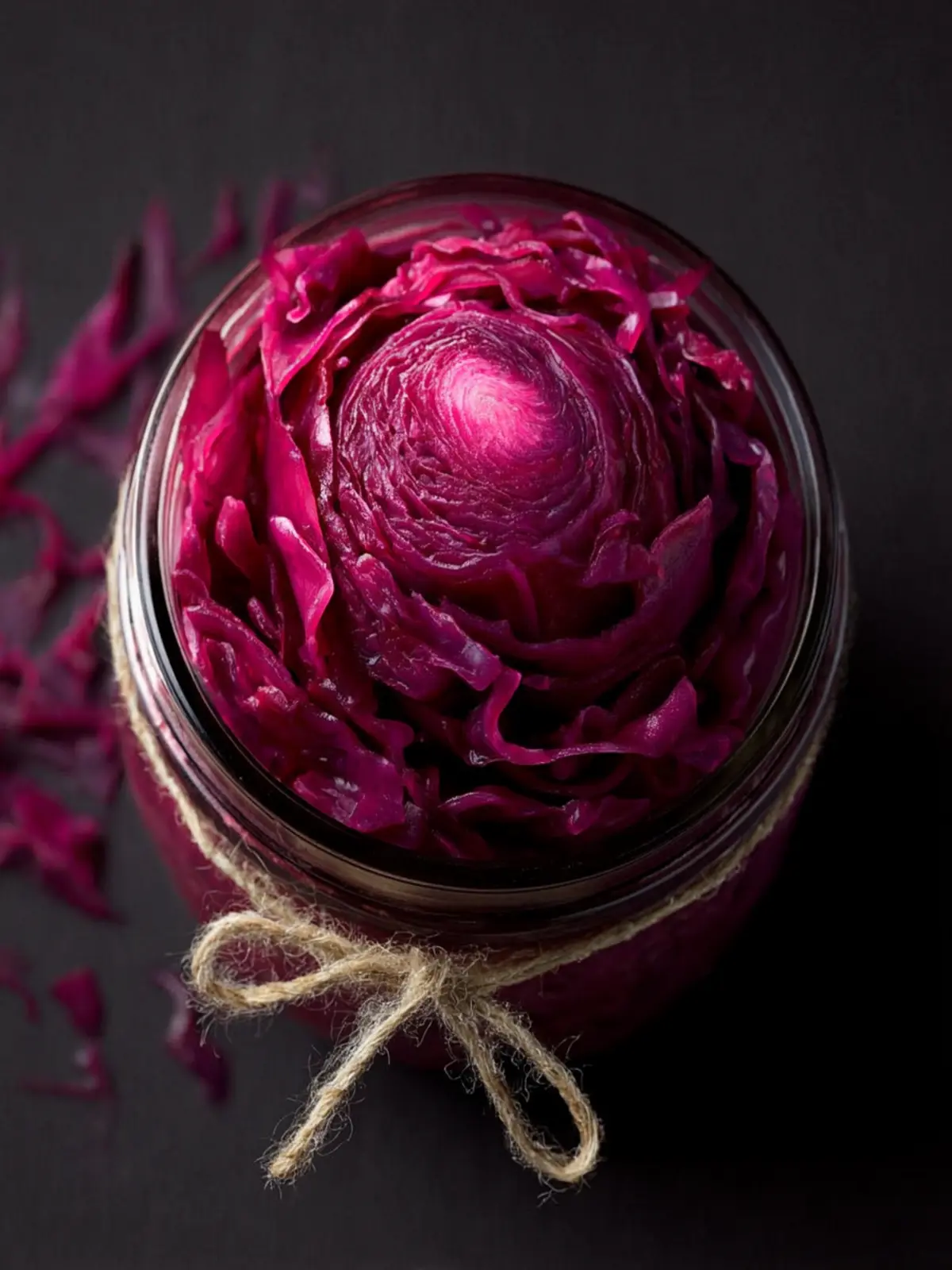
Tips for Making Perfect Beet and Cabbage Sauerkraut
Creating your own beet and cabbage sauerkraut can be a rewarding experience, especially when you savor the delicious tang and vibrant color it brings to your meals. Here are some essential tips to help you achieve that perfect fermentation.
Choose the Right Ingredients
- Fresh Vegetables: Opt for organic beets and cabbage if you can. Fresh, pesticide-free produce will enhance the flavor and ensure a more successful fermentation process.
- Quality Salt: Use non-iodized salt, like sea salt or kosher salt. Iodized salt can inhibit fermentation, so be sure to avoid it.
Master the Fermentation Process
- Proper Shredding: Aim for consistent shreds of both beets and cabbage. A food processor can make this easier, but a sharp knife works just as well. Consistency helps in even fermentation.
- Pack Tightly: When layering your vegetables in jars, pack them tightly to remove air pockets. This helps create the anaerobic environment that fermented foods thrive in.
Monitor Your Fermentation
- Temperature Control: Keep your sauerkraut in a cool, dark place, ideally between 65°F to 75°F. Higher temperatures may speed up fermentation but can risk spoilage.
- Taste Testing: Start testing your beet and cabbage sauerkraut after about a week. Taste it every few days until you find that perfect level of tanginess that you enjoy.
With these tips, you’ll be well on your way to crafting delicious beet and cabbage sauerkraut that can elevate any dish. Happy fermenting!
Time Details for Beet and Cabbage Sauerkraut
Creating your own beet and cabbage sauerkraut is not just a culinary endeavor; it’s a delightful journey into the world of fermentation that rewards you with tangy, probiotic goodness. Here’s a simple breakdown of the time needed for this flavorful recipe:
Preparation time
Start with about 20 minutes to finely chop your cabbage and grate the beets. This hands-on time is the perfect chance to enjoy the vibrant colors and aromas of your ingredients.
Fermentation time
The magic happens over the next 1 to 4 weeks as your sauerkraut ferments. The duration depends on your taste preference; shorter fermentation yields a milder flavor while longer intervals produce a more pronounced tang.
Total time
In total, you’re looking at roughly 1 to 4 weeks from preparation to enjoying your first bite of delicious beet and cabbage sauerkraut. But remember, good things come to those who wait!
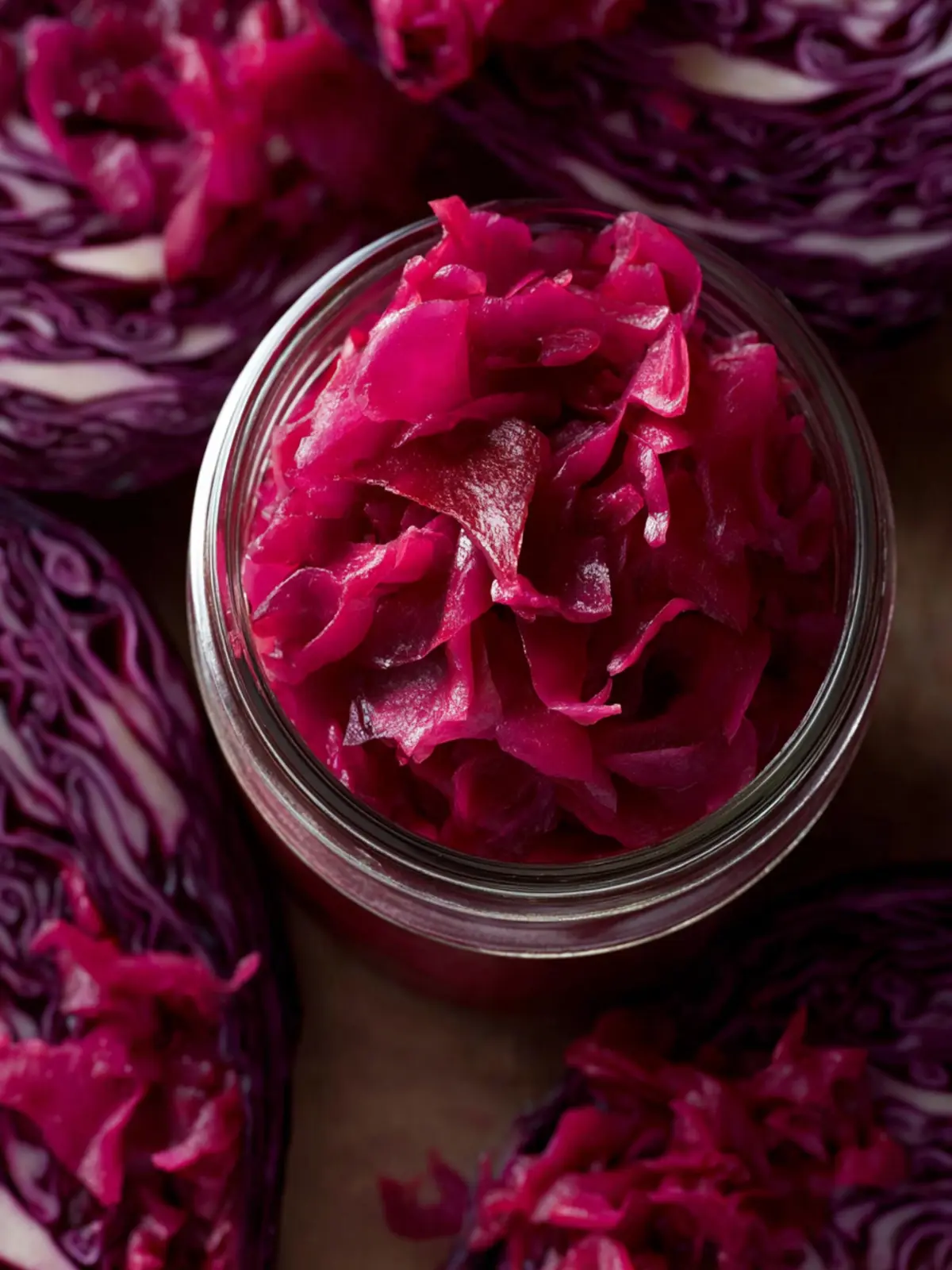
Nutritional Information for Beet and Cabbage Sauerkraut
Creating vibrant beet and cabbage sauerkraut at home not only satisfies your taste buds, but it also packs a nutritional punch! Let’s dive into what makes this dish not just flavorful, but beneficial for your health.
Calories
A typical serving of beet and cabbage sauerkraut contains around 30 calories. This low-calorie option makes it a great addition to meals or as a snack without the guilt!
Protein
You can expect about 1 gram of protein per serving. While sauerkraut isn’t a protein powerhouse, it complements your meals nicely by adding texture and flavor.
Sodium
One serving generally has about 300 milligrams of sodium. If you’re watching your sodium intake, consider adjusting the salt in your recipe or rinsing the sauerkraut before serving.
Enjoy the process of making this delightful dish while knowing that you’re treating your body well!
FAQs about Beet and Cabbage Sauerkraut
Making beet and cabbage sauerkraut can feel like a culinary adventure, which often comes with a fair share of questions. Here are some of the most frequently asked questions to help guide you through your fermenting journey.
How long does homemade sauerkraut last?
One of the biggest perks of making beet and cabbage sauerkraut at home is its longevity. When properly fermenting and stored in a cool place (ideally in the fridge), your sauerkraut can last for about 3 to 6 months. Just make sure to always use clean utensils to avoid introducing any unwanted bacteria, and keep an eye on its smell and texture for any signs of spoilage.
Can I use other vegetables in this recipe?
Absolutely! While the recipe focuses on beet and cabbage sauerkraut, you can mix in other vegetables to create unique flavors. Carrots, radishes, or even some spices like garlic or ginger can elevate your sauerkraut’s taste. Remember that different veggies may affect the fermentation time, so keep an eye on them while they work their magic.
How do I know if my sauerkraut is fermenting correctly?
Wondering if your beet and cabbage sauerkraut is on the right track? Here are a few signs to look for:
- Bubbles: They indicate active fermentation.
- Smell: A pleasant sour aroma suggests everything is going well; a foul or rotten smell is a sign to discard.
- Taste: After a week, take a sneak taste. If it’s tangy and crunchy, you’re in great shape! If it needs more time, just let it ferment longer.
Embracing these tips will help you enjoy a perfect batch of beet and cabbage sauerkraut that adds a burst of flavor and nutrition to your meals. Happy fermenting!
Conclusion on Beet and Cabbage Sauerkraut
Combining beet and cabbage sauerkraut results in a vibrant and flavorful twist on the classic recipe. Not only does the addition of beets provide a beautiful color, but it also enhances the nutrition with antioxidants and vitamins. As you savor every tangy bite, you’ll appreciate the delightful crunch that the cabbage brings to the table. Whether you enjoy it as a side dish, a topping for sandwiches, or mixed into salads, this sauerkraut promises to elevate your meals. Embrace the art of fermentation and relish the satisfying process of creating this unique, health-packed dish at home!
Print
Fermented Cabbage and Beet Kraut
- Total Time: 3-5 days (fermentation time)
- Yield: 1 quart 1x
- Diet: Vegan
Description
A tangy and nutritious fermented dish made with cabbage and beets.
Ingredients
Scale
- 1 small red cabbage, finely sliced (save a couple whole leaves for the top)
- 1 cup grated raw beet, do not peel
- ⅛–¼ cup sliced red onion – optional
- mineral or sea salt (you will calculate)
- 1 teaspoon caraway seeds
- 1 garlic clove, sliced
- 1–2 teaspoons grated ginger
Instructions
- Place a medium bowl on a scale and zero out the scale, leaving the bowl there.
- Finely slice and grate cabbage and beets and place in the bowl. Add garlic, onion, and/or ginger if using.
- Weigh the cabbage, beets (and onion, garlic, and ginger) in grams—careful not to include the bowl weight. Multiply this amount by the appropriate salt ratio to calculate the amount of salt needed in grams.
- Zero out the scale again with the filled bowl, and add the calculated salt.
- Massage the cabbage with the salt, let sit on the counter, mixing occasionally for 1 hour until the cabbage has wilted and released a little water.
- Place cabbage-beet mixture and all juices in a clean mason jar and pack it down with a muddler or the end of a wooden spoon, leaving 2-3 inches at the top.
- Place a couple of cabbage leaves over the kraut to help keep it submerged under the liquid along with a fermentation weight.
- If there is not enough liquid to cover, mix one teaspoon sea salt with 1 cup of filtered water and add just enough of this brine so cabbage-beet mixture is submerged—leaving at least 2-inches space at the top of the jar. Remove any floating seeds or particles with a slotted spoon.
- Cover loosely with a lid and place on a pan to catch any liquid.
- Place in a cool dark place (ideally 65-72 degrees F) for 3-5 days. It may take longer to ferment if it is colder.
- Check daily to make sure the cabbage is under the brine.
- After 3-4 days, check for activity. When you tap the jar, tiny bubbles should rise to the top, indicating it’s fermenting.
- Once fermented to the desired amount, add the caraway seeds and place it in the fridge. The longer it ferments, the sourer it will taste.
- Once it’s chilled, let it sit overnight, discard the cabbage leaf, then give it a taste!
Notes
- Calculating the exact amount of salt needed is crucial for successful fermentation.
- Ensure everything is clean to avoid any contamination during the fermentation process.
- Prep Time: 15 minutes
- Category: Ferments
- Method: Fermentation
- Cuisine: American
Nutrition
- Serving Size: 1/2 cup