Follow Me On Social Media!

Buttermilk Cornbread: The Best Comfort Food You’ll Crave

Introduction to Buttermilk Cornbread
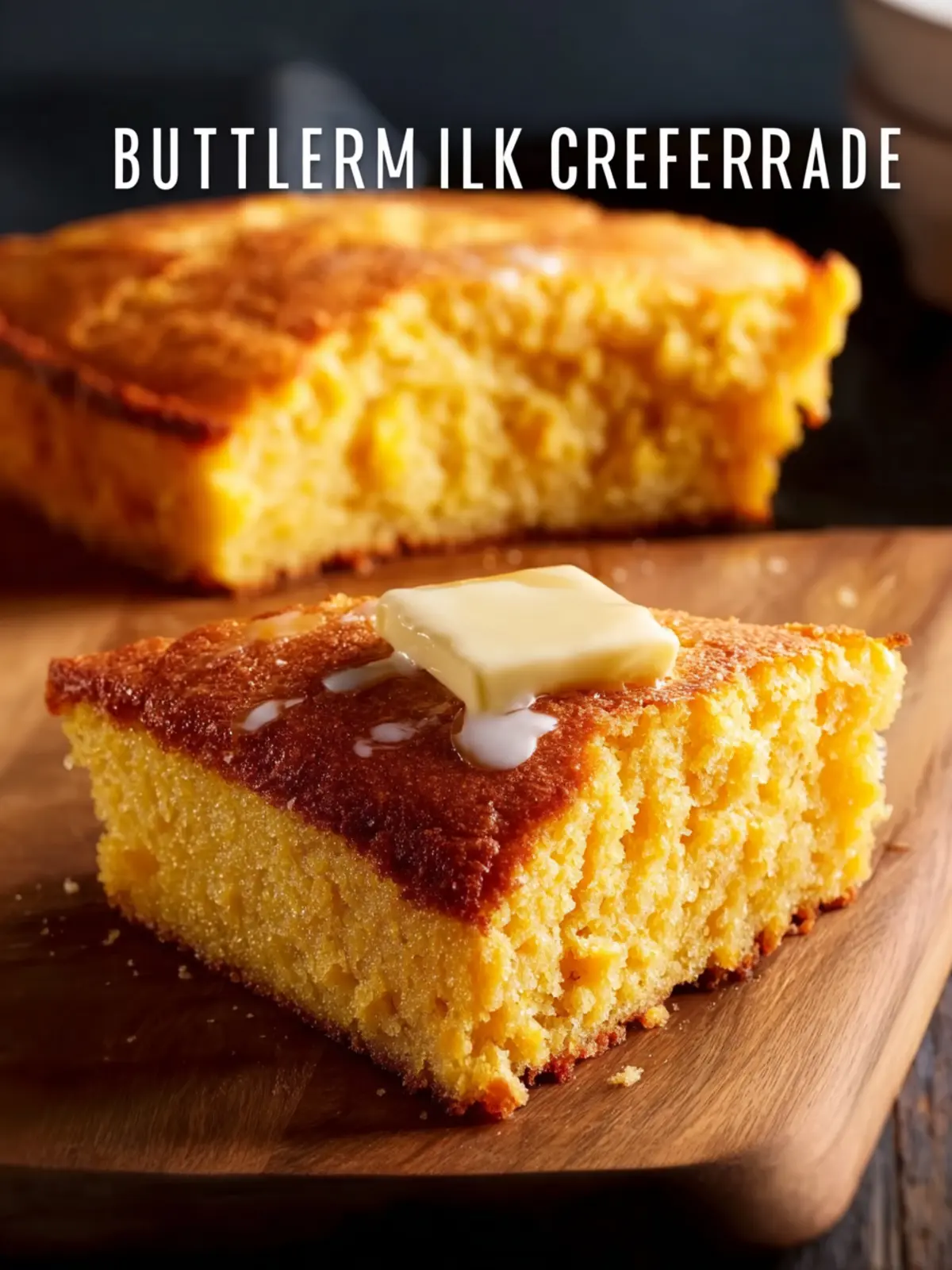
Buttermilk cornbread has a way of bringing people together, and it all starts with its comforting aroma wafting through the kitchen. Imagine your friends and family gathering around the table, eagerly awaiting the golden-brown squares of cornbread, perfectly moist and subtly tangy, ready to be slathered with butter or enjoyed as a side with your favorite chili. It’s more than just a dish; it’s a nostalgic experience that conjures memories of shared meals and laughter.
What sets buttermilk cornbread apart is its unique texture and flavor profile. Unlike traditional cornbread, the addition of buttermilk elevates it to a new level of richness and depth. The slight acidity of the buttermilk interacts with the baking soda, creating a light, airy crumb that’s neither too dense nor too flaky. Each bite is a delightful balance of sweet and savory, making it an irresistible addition to any meal—be it brunch, dinner, or a festive gathering.
Whether you’re a seasoned chef or just starting out, buttermilk cornbread is truly a stress-free recipe that invites creativity. Feel free to add in jalapeños for a spicy kick, cheese for some extra indulgence, or fresh herbs for a burst of freshness. This adaptability means it can cater to varying tastes and occasions, solidifying its place in kitchens across the country.
Not only is buttermilk cornbread delicious and versatile, but it also has roots deeply embedded in American history and culture. Originally a staple for early settlers, cornbread has evolved into a symbol of comfort food, often accompanying robust dishes like barbecue or stews. So yes, making and sharing buttermilk cornbread results in more than just filling stomachs—it helps connect people through food traditions and communal joys.
So, as you embark on this culinary journey to create your very own buttermilk cornbread, remember that it’s not just about the ingredients you add but also the love and memories you bake into each moist, tender piece. Time to preheat your oven – there’s some creating to do!
Key Ingredients for Buttermilk Cornbread
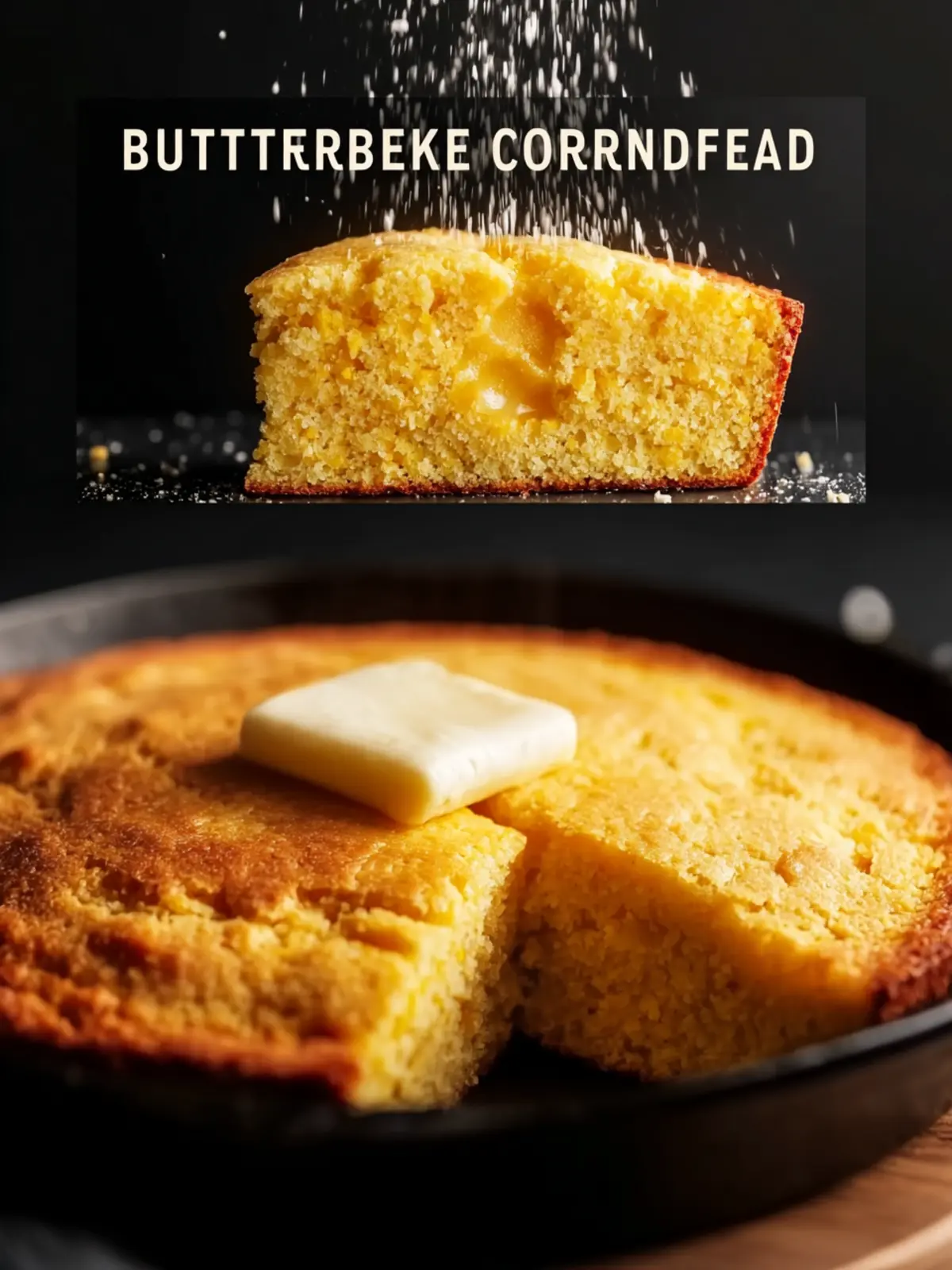
When it comes to whipping up a comforting batch of buttermilk cornbread, the right ingredients can transform a simple recipe into a delightful experience. Let’s break down what you’ll need to create this warm, sweet, and slightly tangy bread that pairs perfectly with your meals.
-
Cornmeal: The heart of buttermilk cornbread lies in the cornmeal. Opt for medium or fine ground cornmeal for the best texture. This ingredient gives the bread its characteristic flavor and crumb, making it both hearty and comforting.
-
Flour: All-purpose flour adds structure and balance. It provides a gentle lift that complements the cornmeal, ensuring your cornbread is neither too crumbly nor too dense.
-
Buttermilk: This is the star player! The tangy flavor of buttermilk not only enriches the taste but also reacts with baking soda, creating a wonderful rise. If you don’t have buttermilk, you can easily make a substitute by mixing milk with a splash of vinegar or lemon juice.
-
Eggs: Eggs help bind the ingredients together and contribute moisture. They also aid in achieving a beautiful golden crust.
-
Sugar: A touch of sugar enhances the natural sweetness of corn, making the bread irresistible. You can adjust the sweetness based on your preferences.
-
Baking Powder and Baking Soda: These leavening agents work together to give your buttermilk cornbread a lovely rise and light texture.
-
Butter: Melted butter incorporates richness into the bread. It also adds a subtle flavor that pairs beautifully with the cornmeal.
With these key ingredients, your buttermilk cornbread will surely impress family and friends alike. Now, let’s get baking!
Why You’ll Love This Recipe
Buttermilk cornbread isn’t just a dish; it’s a warm invitation to gather around the table, soaking up the rich flavors and comforting aroma that fill your kitchen. As someone who’s always on the lookout for that perfect bite to complement any meal, I can assure you this recipe will quickly become a household favorite.
One of the best features of this buttermilk cornbread is its tender, moist crumb thanks to the buttermilk. This ingredient not only helps to deepen the flavor profile but also adds a subtle tang that pairs beautifully with savory dishes. Imagine biting into golden, buttery cornbread alongside a steaming bowl of chili or a soup on a chilly evening—it’s pure bliss!
This recipe strikes a balance between simplicity and delightful complexity. With common pantry staples such as cornmeal, flour, and eggs, you’ll find it easy to whip up whether you’re a beginner or an experienced cook. Plus, the baking process transforms these humble ingredients into an irresistible treat that can stand alone or shine as the perfect side.
Trust me, once you try this buttermilk cornbread, you’ll want to share it with friends and family at your next gathering—who doesn’t love a recipe that brings people together?
Variations on Buttermilk Cornbread
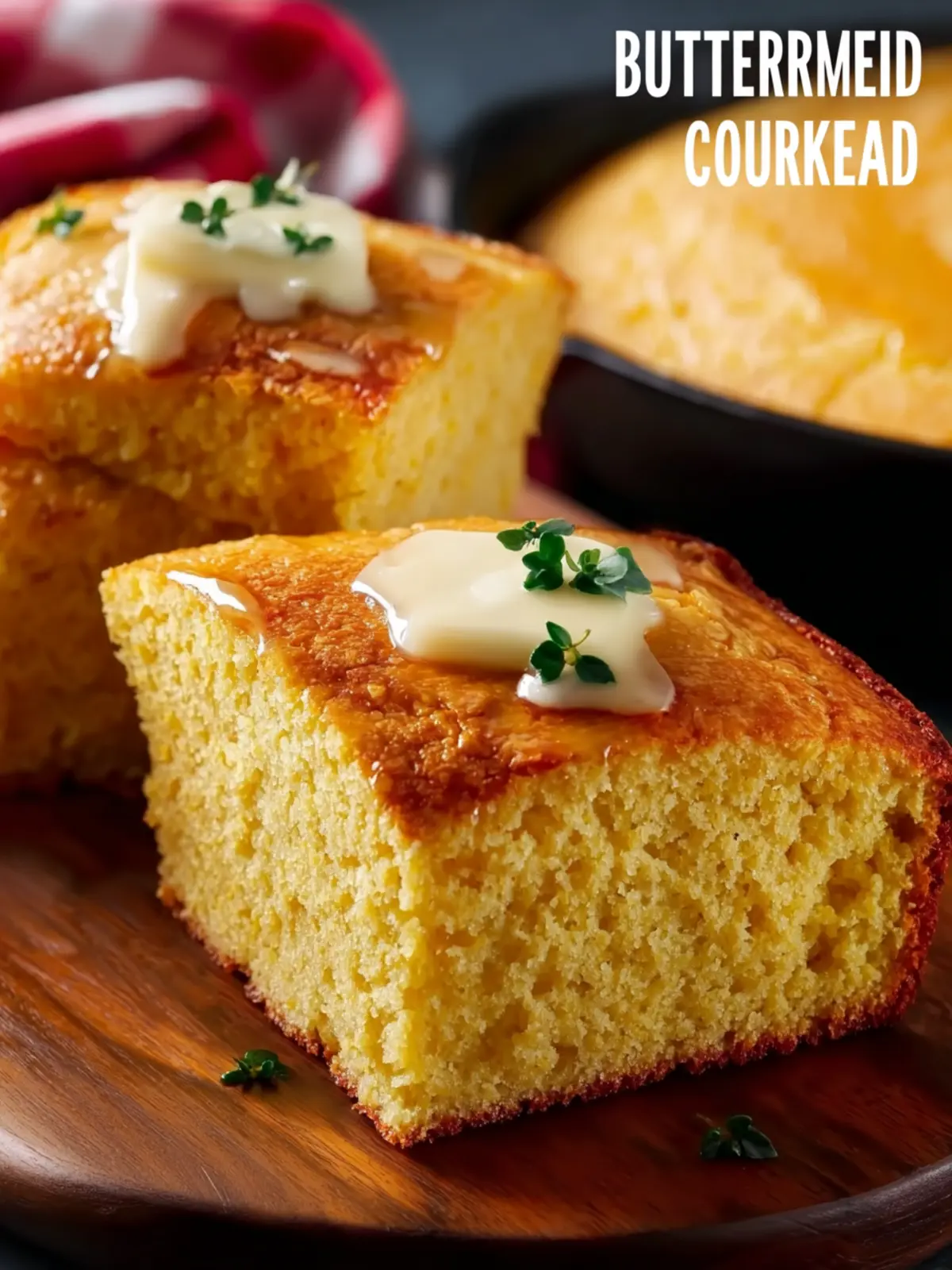
Experimenting with buttermilk cornbread opens the door to a realm of delightful twists that can make this classic Southern staple even more exciting. Picture a warm slice, golden and slightly sweet, pairing beautifully with your favorite savory dishes. Here are a few variations to consider:
Cheesy Delight
Add 1 cup of shredded sharp cheddar or pepper jack cheese to your batter for a rich, cheesy cornbread. The gooey texture complements the classic flavors wonderfully and adds a savory depth.
Herb-Infused Cornbread
Incorporate fresh herbs like chives, rosemary, or thyme. About 2 tablespoons of finely chopped herbs can transform your buttermilk cornbread into a fragrant side that pairs excellently with grilled meats or soups.
Sweet and Spicy
For a hint of sweetness and heat, fold in 1/2 cup of diced jalapeños and 1/4 cup of honey. The result is a buttermilk cornbread that’s spicy yet subtly sweet — perfect for a brunch gathering!
Fruity Twist
Try adding 1 cup of fresh blueberries or diced peaches. The fruit not only adds moisture but also creates a beautiful contrast of flavors, making it a fun breakfast option or a delightful addition to a picnic.
Each of these variations brings a unique character to the classic buttermilk cornbread, allowing you to impress your dinner guests or just enjoy a new take on a beloved favorite!
Cooking Tips and Notes for Perfect Buttermilk Cornbread
Creating the perfect buttermilk cornbread can be a delightful endeavor that fills your home with warmth and the tantalizing scent of baking. Here are some helpful tips to elevate your cornbread game.
Choosing Quality Ingredients
- Cornmeal: Opt for stone-ground cornmeal if possible. It has a coarser texture and richer flavor than traditional options, providing that delightful crunch in every bite.
- Buttermilk: Fresh buttermilk enhances the cornbread’s moisture and tang. If you’re in a pinch, a mix of milk and vinegar can replicate this flavor effectively.
Mixing Techniques Matter
- Don’t Overmix: Combine your dry and wet ingredients just until they’re integrated. Overmixing can lead to dense and tough cornbread, which is not what you want. Keep it light and fluffy!
The Right Baking Temperature
- Preheat Thoroughly: Make sure your oven is fully preheated to 400°F. A hot oven is crucial for that golden crust and soft interior. An underheated oven can lead to uneven baking.
Let It Rest Before Serving
- Resting Time: Allow the cornbread to sit for about 10-15 minutes after baking. This lets the flavors meld and makes slicing easier.
Each bite of buttermilk cornbread should deliver a comforting experience, perfect alongside your favorite dishes. Enjoy baking!
Serving Suggestions for Buttermilk Cornbread
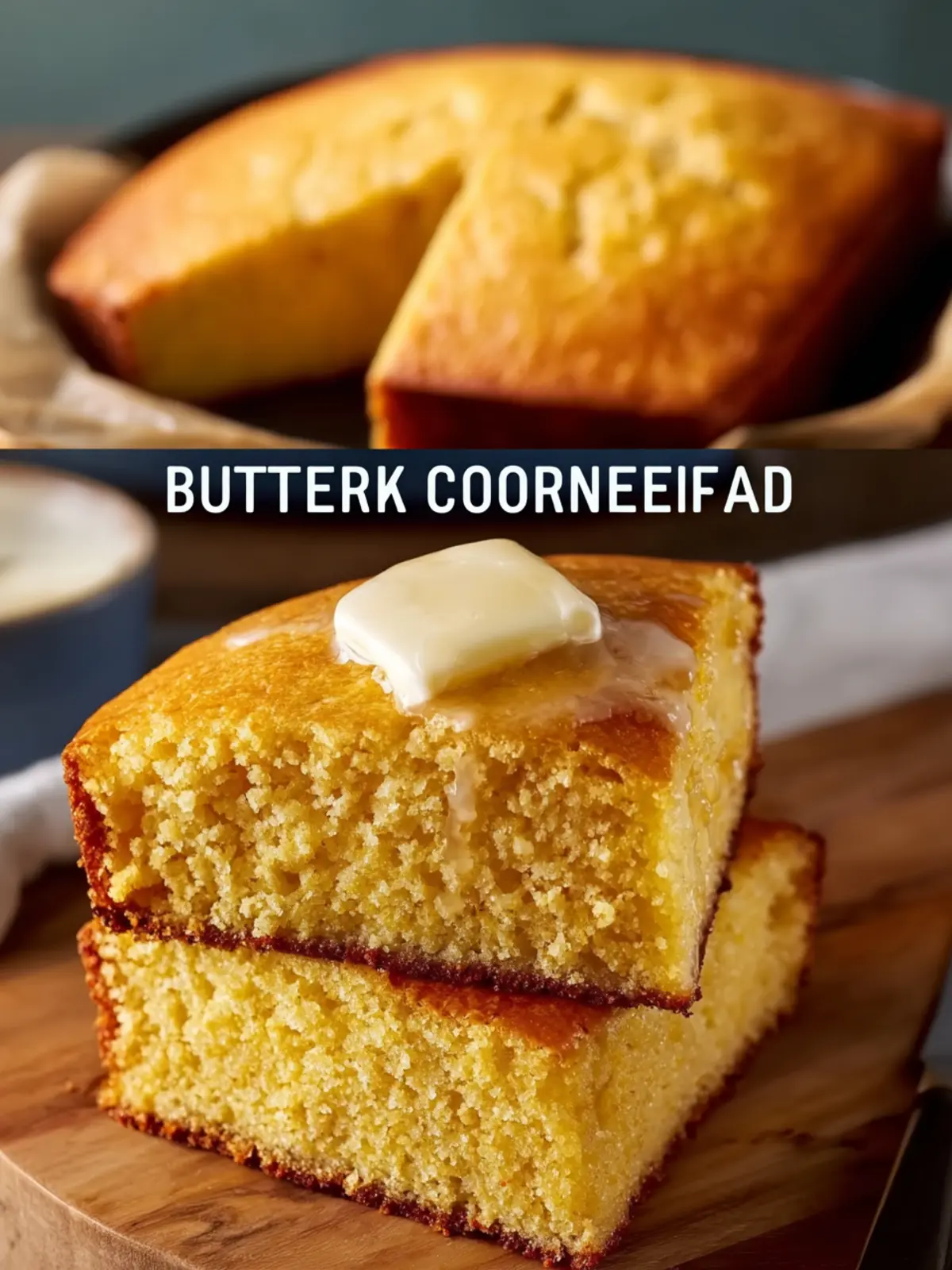
Buttermilk cornbread is more than just a delicious side dish; it’s a culinary canvas waiting for your personal touch. Picture this: you’ve baked a beautiful loaf of buttermilk cornbread. The buttery aroma fills your kitchen, inviting everyone to gather around the table. Now, how do you take this delightful treat to the next level? Here are some creative serving ideas.
Pair with Comfort Foods
- Chili: There’s nothing like a slice of buttermilk cornbread alongside a hearty bowl of chili. The subtle sweetness complements the spicy flavors beautifully.
- BBQ Dishes: From smoky ribs to grilled chicken, cornbread makes the perfect accompaniment to any barbecue feast.
Dress It Up
- Honey Butter: Whip up some honey butter by mixing equal parts softened butter and honey. Spread it lavishly on warm cornbread for a delightful sweet contrast.
- Savory Toppings: Consider topping warm slices with a sprinkle of cheese or crumbled bacon for a savory twist that will wow your guests.
Breakfast Treat
Why limit cornbread to lunch or dinner? Crumble it over yogurt and fruit or serve it alongside scrambled eggs for a hearty breakfast option that satisfies.
With these suggestions in mind, you’ll never have a boring meal with buttermilk cornbread on your table!
Time Breakdown for Making Buttermilk Cornbread
When you’re in the mood for a warm, comforting slice of buttermilk cornbread, understanding the time it takes to prepare this delicious treat can make your cooking experience smoother. Here’s a quick breakdown to help you plan your baking session.
Preparation time
The prep is quick and easy! You’ll spend about 10-15 minutes gathering your ingredients and mixing them together. It’s the perfect time to pour yourself a cup of coffee and enjoy the process.
Baking time
Once everything is mixed, it’s time for the oven! Bake the buttermilk cornbread for approximately 20-25 minutes. You’ll know it’s ready when the top is golden brown and a toothpick comes out clean.
Total time
In total, you’re looking at a satisfying 30-40 minutes from start to finish. Just enough time to whip up a batch while your dinner simmers away. Enjoy the delightful aroma filling your kitchen!
Nutritional Facts of Buttermilk Cornbread
When enjoying a slice of buttermilk cornbread, it’s not just the comforting flavor that delights your taste buds; it’s also good to know the nutritional benefits packed within. This delicious bread can fit seamlessly into a mindful diet.
Calories
Each serving of buttermilk cornbread contains approximately 200 calories. This makes it a hearty choice without overwhelming your daily caloric intake.
Protein
With about 5 grams of protein per slice, this cornbread is a satisfying option, especially if you pair it with protein-rich meals or toppings. It’s simple yet effective in contributing to your daily protein goals.
Sodium
In terms of sodium, a slice contains around 350 milligrams. This moderate amount is important to keep in check, particularly if you’re watching your salt intake. Always consider your overall daily sodium consumption when enjoying this classic dish!
Incorporating buttermilk cornbread into your meals not only satisfies your taste buds but also offers essential nutrients that can enhance your dining experience.
FAQ about Buttermilk Cornbread
Buttermilk cornbread has a special place in the hearts of many, often bringing back memories of family gatherings and cozy dinners. If you’re planning to whip up this delightful dish, you might have some questions. Let’s dive into some frequently asked questions to help you get the most out of your buttermilk cornbread experience!
How can I make my cornbread moist?
One of the secrets to keeping your buttermilk cornbread delectably moist lies in your liquid ingredients. Consider the following tips:
- Use buttermilk generously: This acidic ingredient not only adds flavor but also enhances moisture.
- Add fat: Incorporate melted butter or even oil into your batter—it creates a tender cornbread.
- Avoid overmixing: Gently combine your dry and wet ingredients to maintain a fluffy texture.
What’s the best way to store leftover cornbread?
To keep your buttermilk cornbread fresh:
- Refrigeration: Store the cornbread in an airtight container in the fridge for up to a week.
- Freezing: Wrap individual slices in plastic wrap and place them in a ziplock bag for convenient snacking later; they can last up to three months in the freezer.
Can I use non-dairy alternatives for buttermilk?
Absolutely! If you’re looking for a dairy-free option, here are a couple of substitutes for buttermilk that work well in your buttermilk cornbread:
- Vinegar or lemon juice mixed with plant-based milk: Add 1 tablespoon of vinegar or lemon juice to 1 cup of almond or soy milk, letting it sit for about 5-10 minutes to curdle.
- Non-dairy yogurt: This will provide a similar consistency and tanginess—just be mindful of the flavor it might add.
Embrace your creativity in the kitchen, and enjoy the process of making this delicious dish!
Conclusion on Buttermilk Cornbread
In wrapping up your adventure with buttermilk cornbread, it’s clear this dish goes beyond mere sustenance; it’s a warm hug for your taste buds. The perfect balance of crispy edges and a tender, moist crumb makes it a delightful side for stews or chili, and an irresistible partner for a touch of honey or butter. As you perfect this recipe, experiment with add-ins like jalapeños or cheese to make it your own. Each bite is a reminder of home, warmth, and comfort—perfect for any gathering. So, gather your ingredients, unleash your creativity, and enjoy every morsel of this buttermilk cornbread delight!
Print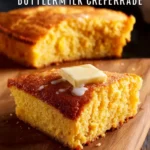
Cornbread
- Total Time: 35 minutes
- Yield: 8 wedges 1x
- Diet: Vegetarian
Description
This cornbread is a classic recipe that results in a crisp, golden crust and a tender interior.
Ingredients
Scale
- 1 cup yellow cornmeal (fine or medium grind)
- 1 cup all-purpose flour
- 1/4 cup granulated sugar
- 1 tablespoon baking powder
- 1/2 teaspoon baking soda
- 1 teaspoon salt
- 1 cup full-fat buttermilk, room temperature
- 2 large eggs, room temperature
- 1/2 cup unsalted butter, melted
- 1 tablespoon unsalted butter, for the skillet
Instructions
- PREHEAT OVEN: Preheat the oven to 400°F (200°C). Place a 9-inch cast-iron skillet inside the oven while it heats so the pan becomes very hot, which helps create a crisp, golden crust.
- MIX DRY INGREDIENTS: In a large mixing bowl, whisk together the cornmeal, flour, sugar, baking powder, baking soda, and salt until evenly combined and free of lumps.
- COMBINE WET INGREDIENTS: In a separate bowl, whisk the buttermilk, eggs, and melted butter until the mixture looks smooth and fully blended.
- COMBINE BATTER: Pour the wet mixture into the bowl of dry ingredients. Stir gently with a spatula or wooden spoon until just combined. Stop mixing as soon as no dry streaks remain. A few small lumps are normal and help keep the cornbread tender.
- PREPARE SKILLET: Carefully remove the hot skillet from the oven using oven mitts. Add 1 tablespoon of butter to the pan and swirl until fully melted, coating the bottom and slightly up the sides.
- ADD BATTER TO SKILLET: Immediately pour the batter into the hot skillet. A soft sizzle should occur as the batter hits the pan. Spread the batter evenly with a spatula.
- BAKE CORNBREAD: Return the skillet to the oven and bake for 20 to 25 minutes, or until the top is golden brown and a toothpick inserted into the center comes out clean.
- COOL AND SLICE: Remove the skillet from the oven and allow the cornbread to rest for at least 10 minutes. Resting helps the structure set, making clean slices easier. Cut into 8 wedges and serve warm.
Notes
- The resting time after baking is crucial for the texture of the cornbread.
- It’s best served warm, straight from the oven.
- Prep Time: 10 minutes
- Cook Time: 25 minutes
- Category: Bread
- Method: Baking
- Cuisine: American
Nutrition
- Serving Size: 1 wedge
- Calories: 200
- Sugar: 4g
- Sodium: 350mg
- Fat: 10g
- Saturated Fat: 6g
- Unsaturated Fat: 4g
- Trans Fat: 0g
- Carbohydrates: 26g
- Fiber: 1g
- Protein: 4g
- Cholesterol: 70mg