Follow Me On Social Media!

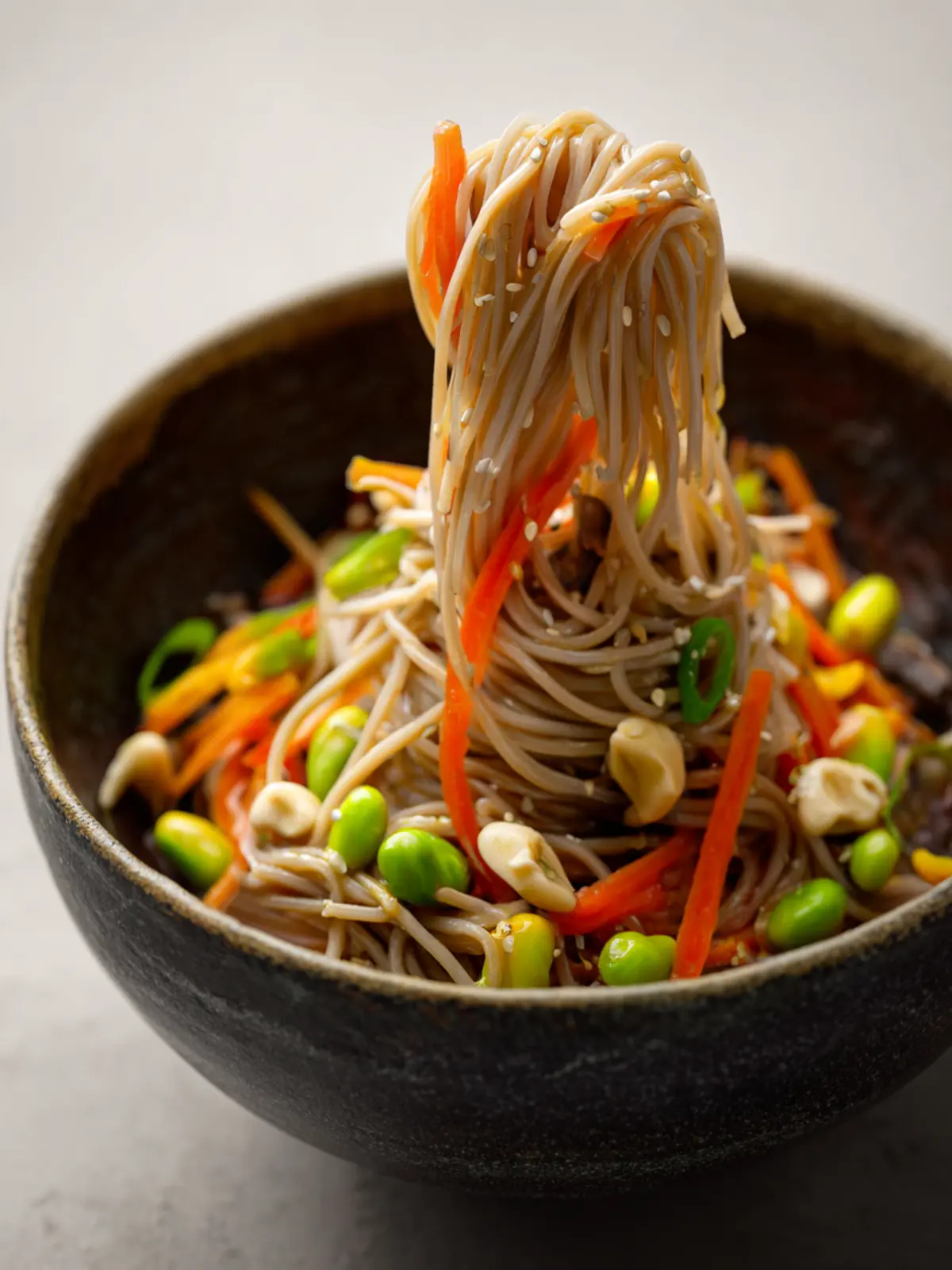
Cold Buckwheat Noodles: The Best Refreshing Meal for Summer

Introduction to Cold Buckwheat Noodles
Imagine a dish that’s not only delicious but also refreshingly light and easily prepared—this is where cold buckwheat noodles come into play. Whether stepping out for a quick lunch or unwinding after a long day, this dish offers a delightful taste of culinary serenity. Buckwheat noodles, often known as soba, weave a rich history through Japanese cuisine, but their versatility means they can seamlessly fit into your modern lifestyle. Packed with protein and fiber, these noodles provide a nutritious backbone for countless dishes, making them a fantastic addition to your weekly meal rotation.
What makes Cold Buckwheat Noodles a perfect choice for busy professionals?
For the on-the-go professional, cold buckwheat noodles are a treasure trove of convenience and health. Here are a few highlights that make this dish remarkable:
-
Quick Preparation: Buckwheat noodles cook in just about 4-5 minutes, making them a quick option for lunch or dinner. Simply boil them, rinse in cold water to stop the cooking process, and they’re ready to go.
-
Nutritious and Satisfying: Rich in amino acids and minerals, cold buckwheat noodles not only nourish your body but also keep you feeling satisfied. They’re gluten-free, dairy-free, and low in calories, which is perfect for anyone wanting a balanced meal without the heaviness.
-
Versatile Base: These noodles pair wonderfully with various sauces and toppings—think sesame oil, soy sauce, or vinegary dressing. You can mix in fresh veggies or proteins like chicken or tofu for extra flavor. This versatility allows you to create meals tailored to your taste and dietary needs.
-
Ready for Meal Prep: Cold buckwheat noodles are perfect for meal prepping. You can cook a large batch at the beginning of the week, store them in the fridge, and whip up quick meals all week long.
-
Ideal for Warm Weather: As summer approaches, the appeal of enjoying a cold dish becomes irresistible. These noodles serve as an excellent alternative to heavier meals, providing a refreshing treat for those hot days.
Embrace the ease and satisfaction of cold buckwheat noodles—your new go-to for quick and nutritious meals!
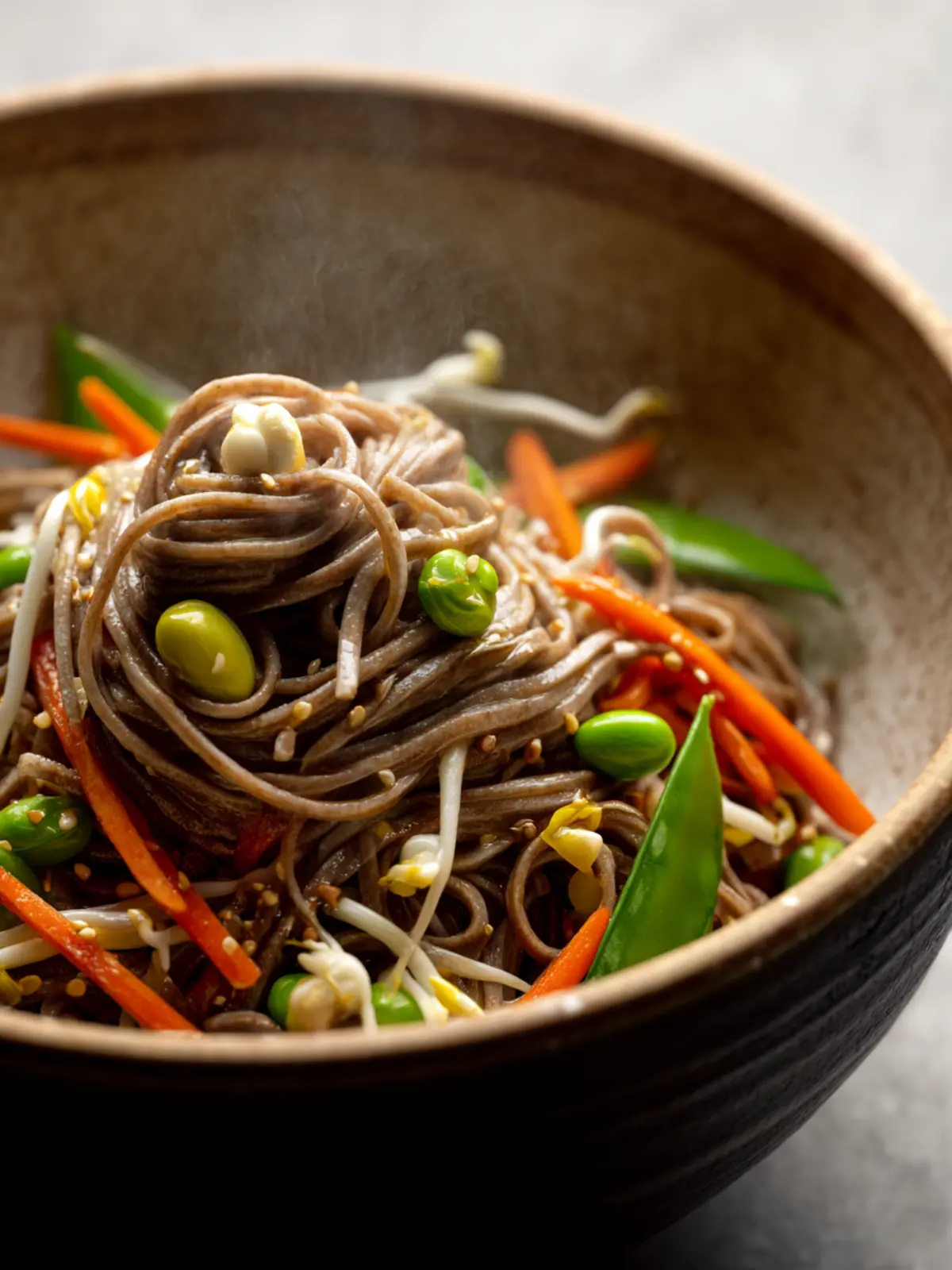
Key Ingredients for Cold Buckwheat Noodles
Buckwheat Noodles: The star of our dish, these cold buckwheat noodles (or soba, as they’re often called) are not only gluten-free but are also packed with nutrients. Their nutty flavor shines through, especially when served chilled, making them a refreshing meal option during the warmer months.
Soy Sauce: A drizzle of soy sauce adds a savory depth that’s absolutely essential. For a unique twist, try using low-sodium soy sauce to let the natural flavors of the noodles come through without overwhelming them.
Sesame Oil: A splash of sesame oil brings a rich, toasty aroma that elevates the flavor profile of your noodles. Just a little goes a long way in providing that authentic taste.
Green Onions: Chopped green onions add a burst of freshness and a hint of sharpness that beautifully balances the nuttiness of the noodles.
Vegetables: Fresh vegetables, such as cucumber and carrots, not only add a pop of color but also provide the necessary crunch to each bite, making the dish a delight to eat.
With these ingredients, you’re set to create a delicious bowl of cold buckwheat noodles that will not only satisfy your hunger but also tantalize your taste buds!
Why You’ll Love Cold Buckwheat Noodles
The moment you take your first bite of cold buckwheat noodles, you’ll understand why they’ve become a beloved dish around the world. These delightful noodles offer a fantastic balance of texture and flavor, making every meal feel like a special occasion. Imagine a hot summer day, and instead of turning to a heavy pasta dish, you’re enjoying a refreshing bowl of noodles that’s both satisfying and invigorating.
Refreshingly Light and Nutritious
One of the best things about cold buckwheat noodles is their wholesome composition. Made from buckwheat flour, these noodles are not only gluten-free but also rich in essential nutrients like fiber, protein, and antioxidants. It’s a guilt-free indulgence during your midweek meals or when you’re entertaining friends. Plus, the unique nutty flavor pairs exquisitely with a variety of sauces and toppings, allowing you to experiment in the kitchen effortlessly.
Versatile and Easy to Prepare
Preparing cold buckwheat noodles is a breeze. Whether you choose to toss them with a zesty sauce, serve them chilled with fresh vegetables, or dress them in a classic sesame dressing, the possibilities are endless. You can whip up this dish in under 30 minutes, making it the perfect option for busy weeknights or lazy weekends. Every bowl can tell a story—mix in your favorite ingredients, and let your creativity shine through.
A delightful fusion of taste and nutrition, cold buckwheat noodles deserve a spot on your dining table. Give them a try, and you might just find your new favorite dish!
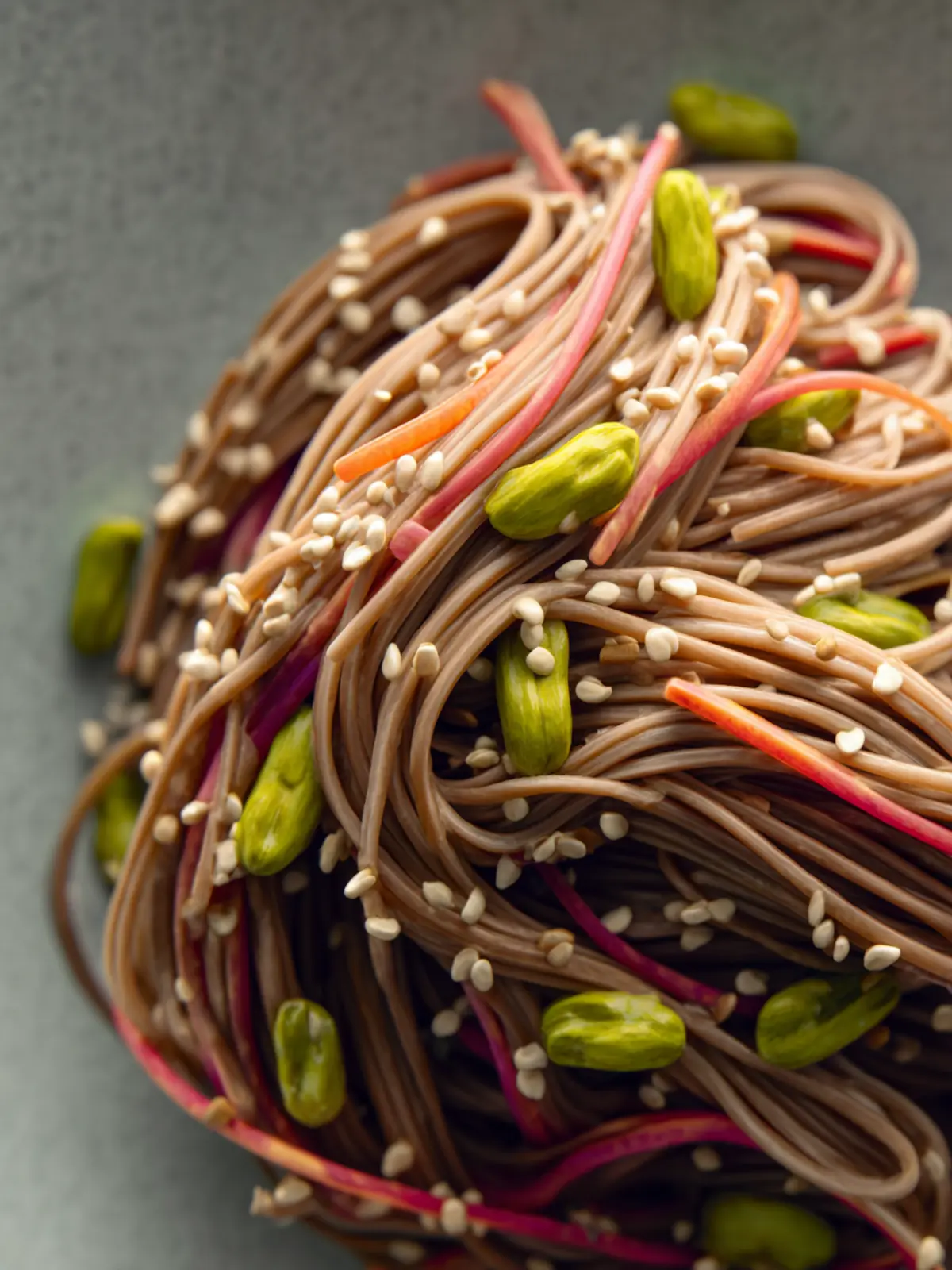
Variations of Cold Buckwheat Noodles
Exploring the world of cold buckwheat noodles reveals a delightful tapestry of flavors and textures. Each variation offers a unique twist that can elevate your dining experience into something extraordinary.
Classic Zaru Soba
The traditional Japanese dish, Zaru Soba, features cold buckwheat noodles served on a bamboo tray with a side of dipping sauce. The nuance of flavors is enhanced by the addition of finely chopped scallions, wasabi, and a sprinkle of nori. This dish not only brings a refreshing taste but also captures the essence of Japanese cuisine.
Korean Naengmyeon
For those craving something with a bit of kick, Korean Naengmyeon could be your go-to. Typically made with a tangy cold broth, the noodles are topped with sliced cucumber, hard-boiled egg, and sometimes even slices of tender beef. The slightly sour broth combined with the chewy texture of the cold buckwheat noodles makes for a satisfying summer meal.
Stir-Fried Buckwheat Noodles
If you’d prefer a warm option, try stir-frying your cold buckwheat noodles. Toss them with seasonal vegetables, proteins like chicken or tofu, and a savory sauce. While enjoying them hot, you still retain that unique nutty flavor of the buckwheat that makes these noodles so special.
Each variation brings its own charm, making cold buckwheat noodles a versatile canvas for culinary creativity!
Cooking Tips and Notes for Cold Buckwheat Noodles
Crafting the perfect cold buckwheat noodles isn’t just about following a recipe; it’s about embracing the process and adding your personal touch. As you dive into this delicious dish, keep these helpful tips in mind for the best results.
Choosing the Right Buckwheat Noodles
Select high-quality, 100% buckwheat noodles, also known as soba. These noodles naturally carry a nutty flavor, making them an ideal base for a refreshing meal. Cooking fresh soba tends to yield better texture than instant types, so it’s worth the investment.
Mastering the Cooking Process
- Boiling the Noodles: Cook your noodles according to the package instructions, but keep a close eye on the time. Overcooking can lead to a mushy texture, which is not what you want for a vibrant dish.
- Rinsing is Key: After draining, rinse the noodles under cold running water. This step stops the cooking process and helps achieve that perfect chewy consistency that complements the cold dish.
Flavor Additions
Don’t hesitate to get creative with your toppings! While sesame seeds and green onions are classic choices, consider adding avocado for creaminess or roasted vegetables for a smoky touch. A splash of soy sauce or a drizzle of sesame oil will enhance the flavors even further.
Serving Suggestions
For the best presentation, arrange your cold buckwheat noodles in a shallow bowl. Top them with colorful vegetables and your choice of protein, like grilled chicken or tofu. A sprinkle of chili flakes can add an exciting kick!
With these tips, you’re set to enjoy the unique experience of making cold buckwheat noodles. Happy cooking!
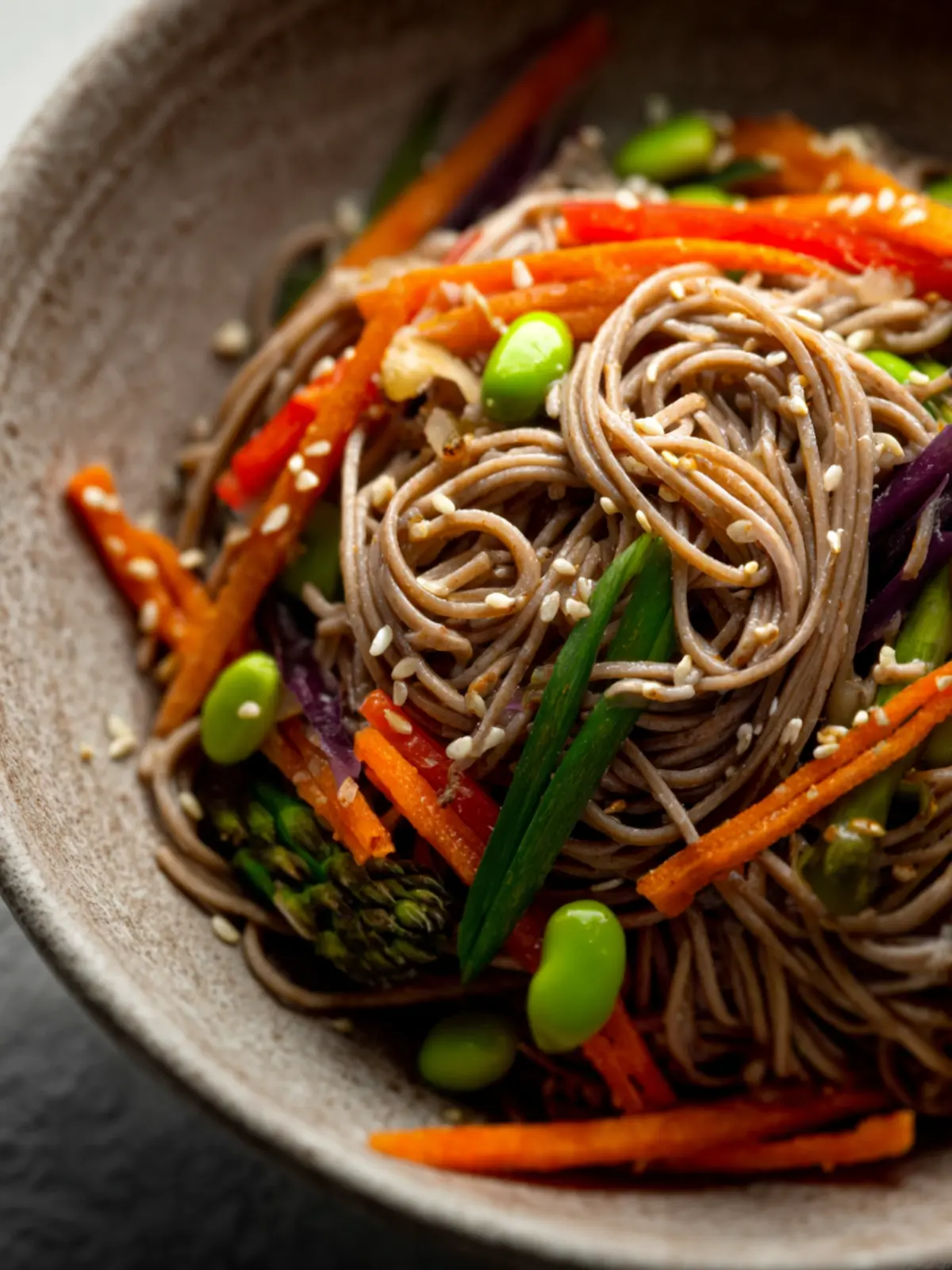
Serving Suggestions for Cold Buckwheat Noodles
Cold buckwheat noodles are versatile, refreshing, and perfect for a light meal or a vibrant side dish. They evoke memories of summer picnics and outdoor gatherings, making them a staple in many households. Let’s explore some creative ways to present this dish and what to pair it with for a delightful dining experience.
Creative Ways to Present Your Dish
Elevate your cold buckwheat noodles by adding color and texture with simple presentation techniques.
- Layered Bowls: Serve the noodles in a bowl, topping them with sliced cucumbers, shredded carrots, and avocados for a visually striking dish.
- Garnishes: A sprinkle of sesame seeds or finely chopped scallions adds both flavor and a pop of visual interest.
- Plates Over Bowls: For a charming touch, try arranging the noodles neatly on a plate with your accompaniments artfully scattered around.
Best Accompaniments for Your Meal
Pairing your cold buckwheat noodles with the right sides will enhance your meal and add complexity to the flavors.
- Protein Additions: Topping with grilled chicken, tofu, or shrimp gives your dish a satisfying protein boost.
- Dipping Sauces: Consider serving with a side of soy sauce, spicy sesame oil, or a tangy vinegar-based dressing for extra flavor.
- Fresh Herbs: A handful of fresh cilantro or basil can brighten up the dish and introduce new flavor dimensions.
With these serving suggestions, your cold buckwheat noodles become not just a meal, but a delightful experience—one that flavors the table and nourishes your body. Enjoy experimenting!
Time Breakdown for Cold Buckwheat Noodles
Making your own cold buckwheat noodles is not just a cooking task; it’s an experience that invites you to step into a world of flavor and tradition. Below is a simple time breakdown to help you plan your culinary adventure.
Preparation Time
Getting organized is key! You’ll need about 15 minutes to gather your ingredients, wash the vegetables, and chop them up to get everything ready for your tasty noodle assembly.
Cooking Time
The cooking process is quick and straightforward. Boiling the buckwheat noodles will take approximately 5-6 minutes. Just watch them closely to ensure they reach that perfect tender texture without becoming mushy.
Total Time
In total, you’re looking at around 25 minutes from start to finish. That means in less than half an hour, you can whip up a refreshing dish that’s perfect for a hot day or a quick meal. Enjoy your culinary creation!
Nutritional Facts for Cold Buckwheat Noodles
Cold buckwheat noodles are not only delicious but also packed with nutrients that make them a great addition to your meals. They boast a variety of health benefits, making them an appealing choice for anyone looking to eat well without sacrificing flavor.
Calories
In a typical serving of cold buckwheat noodles, you can expect around 120 calories. This low-calorie count makes them an excellent option for a light lunch or dinner.
Protein
One serving provides about 5 grams of protein. While this might not seem like much, it’s a great plant-based source that complements other protein-rich ingredients in your meal.
Fiber
With approximately 3 grams of dietary fiber per serving, cold buckwheat noodles contribute to your daily fiber intake. This helps promote digestive health and keeps you feeling full longer, supporting a balanced diet.
Including cold buckwheat noodles in your meals not only enhances flavor but also adds nutritional value, making them a smart choice for health-conscious eaters.
FAQs About Cold Buckwheat Noodles
Cold buckwheat noodles are not just delightful to taste; they inspire many questions that can enhance your cooking experience. If you find yourself pondering over your delicious dish, you’re not alone! Here are some common inquiries that can make your journey with cold buckwheat noodles even more enjoyable.
How do I store leftover Cold Buckwheat Noodles?
Storing leftover cold buckwheat noodles is simple! Once cooled, place them in an airtight container in the refrigerator. They’ll be good for about 2-3 days. To maintain their texture, consider drizzling a bit of sesame oil or a light soy sauce on them before sealing the container. This not only helps prevent sticking but also enhances flavor when you reheat or serve them again.
Can I make Cold Buckwheat Noodles ahead of time?
Absolutely! Cold buckwheat noodles can be made ahead, making them a fantastic option for meal prep. Cook the noodles, cool them quickly under cold water, and toss them with a little oil. Store them in the fridge for up to 3 days. When you’re ready to enjoy your noodles, just add your favorite toppings and sauces for a fresh and satisfying meal.
What else can I add to Cold Buckwheat Noodles?
The beauty of cold buckwheat noodles is their versatility. Here are some fantastic additions you can try:
- Vegetables: Sliced cucumbers, bell peppers, or carrots for crunch.
- Proteins: Grilled chicken, tofu, or shrimp can make your meal heartier.
- Herbs: Fresh cilantro or green onions add aromatic flavors.
- Dressings: A zesty sesame or peanut dressing can elevate the dish.
Feel free to get creative and customize your cold buckwheat noodles to suit your tastes!
Conclusion on Cold Buckwheat Noodles
In the realm of culinary delights, cold buckwheat noodles stand out as a refreshing, healthy option that seamlessly blends tradition with modern tastes. Whether enjoyed at a casual summer picnic or as a sophisticated dinner accompaniment, these noodles provide versatility and nutrition in every bite. Their unique flavor and firm texture are the perfect base for a variety of toppings—from vibrant vegetables to rich sauces. With ease of preparation, you can whip up this dish in no time. Next time you’re in need of a quick, satisfying meal, remember the magic of cold buckwheat noodles. Your taste buds will thank you!
Print
Soba Noodle Salad with Miso Dressing
- Total Time: 25 minutes
- Yield: 4 servings 1x
- Diet: Vegetarian
Description
A refreshing soba noodle salad with a flavorful miso dressing and crunchy vegetables.
Ingredients
Scale
- 4 tbsp miso paste
- 2 tbsp rice vinegar
- 1 tbsp maple syrup
- 1 tbsp chili garlic sauce (sambal oelek or sriracha)
- 1 tsp sesame oil
- 2 tsp soy sauce
- 2 tbsp water
- 8 oz dried soba noodles
- 1 cup shelled edamame
- 1 cup carrots (thinly sliced)
- 1 1/2 cup bean sprouts
- 1/4 cup mint leaves (roughly chopped)
- 1/4 cup cilantro leaves (roughly chopped)
- 1/4 cup crushed cashews
Instructions
- Start boiling a large pot of water for the soba noodles. If you need to prepare frozen edamame, start a second small pot of boiling water or prepare in the microwave according to package instructions.
- While you’re waiting, whisk together the miso dressing ingredients in a small bowl or shake in a container until fully combined. Set aside.
- Once the water is boiling, cook soba noodles according to package directions. When the soba noodles are cooked, drain and rinse under cold water to remove any excess starch and stop the cooking process.
- While the noodles are cooking, prepare the other vegetables and cook the edamame according to package instructions.
- Add the carrots, bean sprouts, fresh herbs, and edamame to a large bowl. Add the cold soba noodles and sauce. Toss to mix and coat the noodles.
- Serve garnished with the crushed cashews, sesame seeds, and spring onions, if desired.
Notes
- For a spicier version, add more chili garlic sauce.
- You can also add other vegetables like bell peppers or cucumbers for extra crunch.
- Prep Time: 15 minutes
- Cook Time: 10 minutes
- Category: Salad
- Method: Mixing and Boiling
- Cuisine: Japanese
Nutrition
- Serving Size: 1 serving
- Calories: 350
- Sugar: 5g
- Sodium: 800mg
- Fat: 12g
- Saturated Fat: 2g
- Unsaturated Fat: 9g
- Trans Fat: 0g
- Carbohydrates: 52g
- Fiber: 8g
- Protein: 14g
- Cholesterol: 0mg