Follow Me On Social Media!


Filipino Sapin-Sapin: Indulgent Layered Rice Cake Delight

Introduction to Filipino Sapin-Sapin: Delightful Layered Rice Cake Bliss
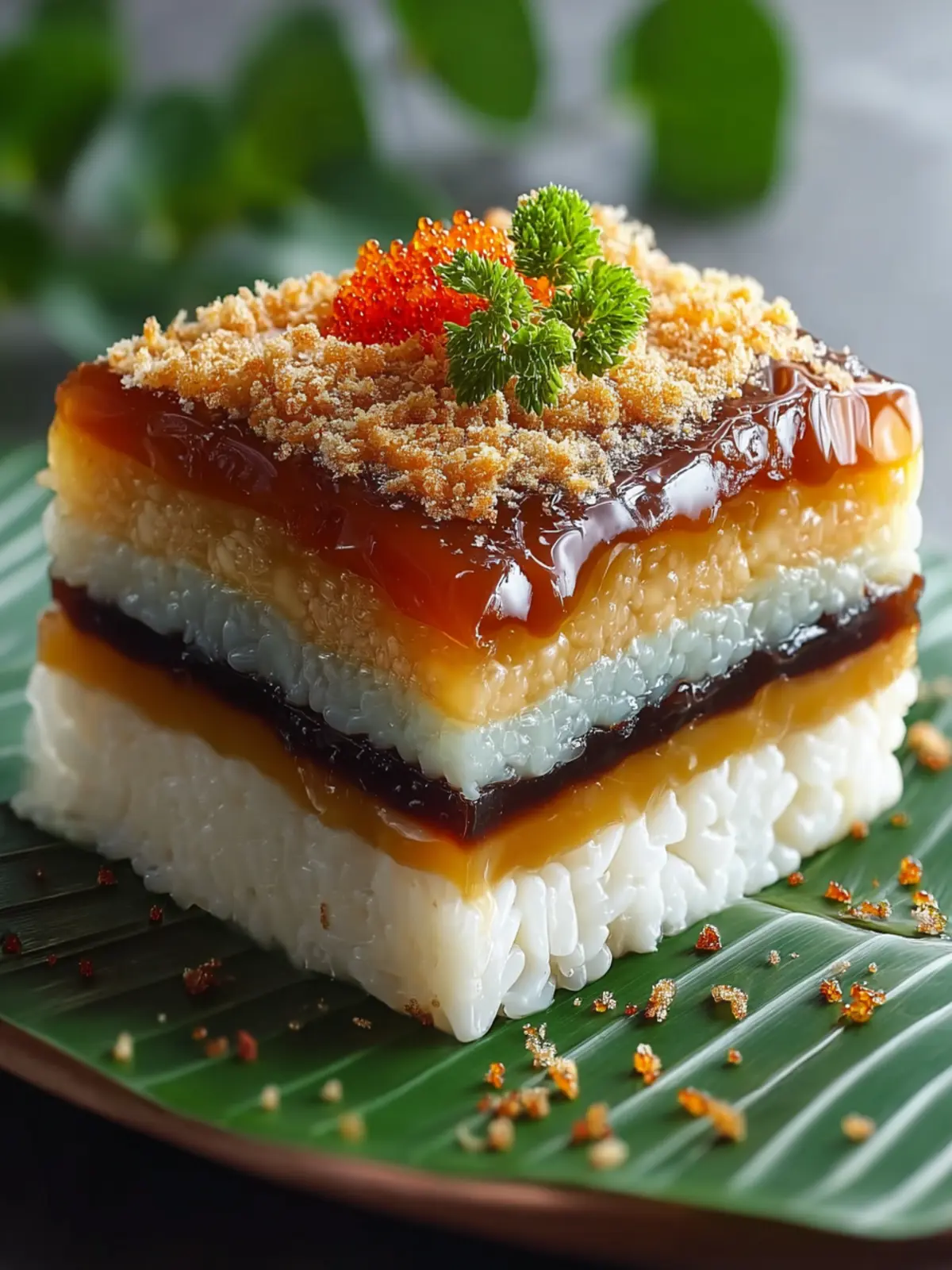
There’s something magical about indulging in Filipino Sapin-Sapin, a dessert that promises a sensory experience with every luscious layer. For many Filipinos, this colorful and beautifully presented rice cake is more than just a treat—it’s a joyful representation of community, family gatherings, and festive celebrations. Imagine a festive table adorned with this delicacy, its layers showcasing vibrant colors like a rainbow, each one offering a subtle hint of flavor that dances on your palate.
What is sapin-sapin and its cultural significance?
Filipino Sapin-Sapin is a traditional rice cake made from glutinous rice flour, coconut milk, and sugar, favored not only for its delightful texture but also for its rich history. Originating from the Philippines, sapin-sapin is typically enjoyed during holidays, special occasions, and even served up during simple family gatherings. Each layer of this treat reflects the cultural connection between food and community, as families often come together to prepare and savor this delightful dish.
The cake’s name itself, “sapin-sapin,” translates to “layered” in Filipino, aptly showcasing its appearance. Traditionally, sapin-sapin consists of three vibrant layers: the base often flavored with uube (purple yam), the middle layer with coconut and pandan, and the top layer featuring either a sweetened coconut topping or another substitute. This charming presentation is not only a feast for the eyes; it also offers a variety of flavors and textures, making every bite a unique experience.
In Filipino culture, sharing sapin-sapin during gatherings symbolizes unity and hospitality. It’s a wonderful way for families and friends to bond over a shared love for food, bringing together different generations and backgrounds. So, as you prepare to make this delightful layered rice cake, remember that each layer tells a story of tradition, celebration, and togetherness. Embrace the process of creating Filipino Sapin-Sapin, and share the love and joy that comes along with it!

Key Ingredients for Filipino Sapin-Sapin: Delightful Layered Rice Cake Bliss
Creating Filipino Sapin-Sapin in your kitchen isn’t just about mixing ingredients; it’s about crafting a sweet memory that embraces tradition and flavor. Each component plays a crucial role in achieving that distinctive layered elegance.
-
Glutinous Rice Flour: The star of our dish, this flour is responsible for that chewy texture that makes Sapin-Sapin unforgettable. Unlike regular flour, glutinous rice flour gives the cake its unique consistency, providing the perfect canvas for all those vibrant layers.
-
Coconut Milk: This ingredient brings a rich, creamy flavor to the dessert, enhancing its tropical essence. Using fresh coconut milk can elevate your dish, but canned versions work beautifully too if you’re short on time.
-
Sugar: To perfectly balance the richness of coconut, granulated sugar is your go-to. Its sweetness complements the layers without overpowering them, ensuring a harmonious taste.
-
Laban: This sweetened condensed milk adds a hint of creaminess and depth. It also enhances the sweetness, creating a balanced flavor profile that’s addictively delicious.
-
Food Coloring: While purely aesthetic, food coloring gives each layer its vibrant hue, making your Filipino Sapin-Sapin visually stunning. You can use natural alternatives like beet juice or pandan extract for a healthier twist.
These key ingredients come together to create a delightful layered experience that tastes as heavenly as it looks. Each bite is a reminder of the rich culinary heritage that Sapin-Sapin represents, making it a perfect treat for family gatherings or celebrations.
Why You’ll Love This Recipe
Indulging in Filipino Sapin-Sapin is more than just savoring a dessert; it’s about experiencing a slice of Filipino culture with each delightful layer. This recipe stands out, inviting you into a world of vibrant colors and flavors that resonate with memories of family gatherings and celebrations. Imagine a dessert that not only looks stunning but also tells a story through its unique blend of textures and tastes.
A Flavorful Adventure
What makes this Filipino Sapin-Sapin recipe irresistible? Here are a few reasons to get excited about it:
-
Layers of Flavor: The combination of coconut milk, glutinous rice flour, and sugar creates a rich, creamy base that’s simply delightful. Each layer introduces different flavors, such as ube (purple yam) and pandan, adding to the overall experience.
-
Visual Feast: The vibrant layers don’t just taste good; they create an eye-catching centerpiece for any occasion. It’s perfect for impressing guests at your next event.
-
Nostalgic Comfort: For many, Sapin-Sapin evokes childhood memories. Baking this recipe is a beautiful way to connect with your heritage or to share a piece of it with others.
With its satisfying chewiness and sweet flavors, this dessert is sure to become a favorite in your kitchen. Embrace the joy of making Filipino Sapin-Sapin—it’s not just a recipe; it’s an experience to cherish and share.
Tips for Making Perfect Filipino Sapin-Sapin
Creating the ideal Filipino Sapin-Sapin requires not only the right ingredients but also some kitchen know-how. Here are some tips to guide you along the way as you whip up this delightful layered rice cake.
Use Quality Rice Flour
The foundation of Filipino Sapin-Sapin is rice flour, and not all rice flours are created equal. Opt for a fine, glutinous rice flour to achieve that characteristic chewy texture that beautifully complements the layers of sweetness.
Measure Ingredients Accurately
Precision is key. Use measuring cups and spoons to ensure each ingredient is accurately measured. Too much or too little can throw off the balance, affecting both taste and texture!
Layering Technique
When preparing the layers, take your time pouring each layer into the pan. To prevent them from mixing, gently pour the batter over the back of a spoon or combine a light protein-rich batter whose density differs from the layer below it.
Cooking Time Matters
Each layer needs the right cooking time to set properly before adding the next. A good rule of thumb is to check after 15-20 minutes with a toothpick. If it comes out clean, it’s time to add the next layer.
Toppings for Extra Flavor
Don’t skimp on the toppings! Whether it’s grated coconut, latik (coconut curds), or sweetened beans, these additions enhance the flavor profile and textural contrast of your Filipino Sapin-Sapin, transporting you straight to a lively Filipino fiesta.
By following these tips, you’re well on your way to mastering Filipino Sapin-Sapin. Enjoy the journey and the delicious outcome!
Time Details for Filipino Sapin-Sapin
Creating Filipino Sapin-Sapin is not only a treat for the palate but also an experience to cherish. As you embark on this culinary journey, you’ll find that the time you invest is well worth the delightful outcome.
Preparation Time
To get started on your Sapin-Sapin, you’ll need about 30 minutes to gather and prepare your ingredients. This step includes measuring your rice flour and coconut milk, as well as preparing your pans.
Cooking Time
The cooking process may take around 45-60 minutes, depending on your cooking method. If you’re steaming, keep a close eye on those beautiful layers as they come together!
Total Time
In total, you can expect to spend approximately 1.5 to 2 hours from start to finish. This includes preparation, cooking, and a little bit of cooling time before serving. Enjoying your very own Filipino Sapin-Sapin might just be the sweetest way to honor traditional flavors intertwined with a modern twist.

Nutritional Information for Filipino Sapin-Sapin
When diving into the delightful layers of Filipino Sapin-Sapin, it’s not just the taste that entices; the nutritional profile makes it even more intriguing. This colorful treat is not only a feast for the eyes but also has nutritional values worth noting.
Calories
A serving of Filipino Sapin-Sapin typically contains around 220 calories. While enjoying this festive dessert, it’s comforting to know that each slice brings joy without completely derailing your diet.
Protein
In each serving, you can expect to find approximately 2 grams of protein. Although it’s not packed with protein, the mix of ingredients, including coconut and rice flour, contributes to a balanced intake when paired with other foods.
Sodium
With about 50 mg of sodium per serving, Filipino Sapin-Sapin keeps things light on the salt front. This is especially beneficial for those monitoring their sodium intake while still wanting to relish traditional Filipino flavors.
Eating Filipino Sapin-Sapin can be delightful both for your palate and your nutritional goals!
FAQs about Filipino Sapin-Sapin
Satisfying your sweet cravings with Filipino Sapin-Sapin means immersing yourself in a delightful experience of layered rice cake bliss. Many enthusiasts often have questions about this vibrant dessert, so let’s dive into some of the most common inquiries.
Can I make sapin-sapin in advance?
Absolutely! One of the wonderful things about Filipino Sapin-Sapin is that it can be made in advance. In fact, letting the sapin-sapin sit for a day enhances its flavor as the layers meld together beautifully. Just prepare it as per the recipe, allow it to cool completely, then cover it tightly with plastic wrap or aluminum foil before storing it in the fridge. This way, it’s ready for you to serve when needed!
How do I store leftovers?
If you find yourself with leftover Filipino Sapin-Sapin, storing it properly ensures you can enjoy it for days to come. Simply cover the dish tightly with plastic wrap or transfer portions to an airtight container. It’s best to keep it in the refrigerator, where it can last for about 3-5 days. Just remember, if you’re saving some for later, slice only what you plan to eat to keep the remaining layers intact.
What are some common variations of sapin-sapin?
The versatility of Filipino Sapin-Sapin lends itself to various delightful twists! Some popular variations include adding flavors such as:
- Ube: A purple yam that adds a sweet, nutty flavor and vibrant color.
- Mango: Fresh mango puree for a tropical touch.
- Coconut: Incorporating coconut milk into the batter gives it richness and depth.
- Macapuno: Sweet coconut strings for added texture.
Feel free to experiment with these variations and make this classic dessert your own!
Conclusion on Filipino Sapin-Sapin: Delightful Layered Rice Cake Bliss
In wrapping up this exploration of Filipino Sapin-Sapin, it’s clear that this delightful dessert offers a beautiful blend of tradition and taste. The colorful layers not only please the eye but also provide a variety of flavors, making each bite a joyful experience. Whether shared at festive gatherings or savored in quiet moments, this rice cake is sure to bring smiles and nostalgia. By embracing the recipe and its rich background, you’ll not only create a delicious treat but also connect with the vibrant culture that celebrates it. Enjoy each slice of layered bliss!
Print
Ube and Jackfruit Layered Cake
- Total Time: 1 hour 20 minutes
- Yield: 8 servings 1x
- Diet: Vegetarian
Description
A delicious layered cake made with ube and jackfruit, infused with coconut flavors.
Ingredients
Scale
- 2 cups Glutinous Rice Flour
- 1 cup Rice Flour
- 2 cups Coconut Milk
- 1 cup Coconut Cream
- 3/4 cup White Sugar
- 1 tsp Vanilla Extract
- 1/2 tsp Salt
- 1 cup Ube Halaya
- 1 cup Jackfruit Purée
- 1 tbsp Yellow Food Coloring
- 1 cup Coconut Cream (for latik)
Instructions
- Prepare the Latik: Simmer coconut cream in a saucepan over medium heat, stirring occasionally. Cook until thick and golden brown, about 10-15 minutes. Strain and set aside.
- Mix Dry Ingredients: In a large bowl, combine glutinous rice flour, rice flour, sugar, and salt. Whisk until blended.
- Add Coconut Milk: Gradually whisk in the coconut milk until you achieve a smooth batter. Add vanilla extract and stir.
- Divide the Batter: Separate the batter into three portions. Stir in ube halaya into one, jackfruit purée into another, and leave the last plain.
- Prep the Steamer: Grease a round pan and set up your steamer with boiling water.
- Steam the Ube Layer: Pour ube batter into the pan, cover, and steam for 15-20 minutes until set.
- Add the Jackfruit Layer: Pour the jackfruit batter over the ube, smooth, and steam for another 15-20 minutes.
- Finish with the Plain Layer: Pour in the plain batter and steam for 25-30 minutes.
- Cool and Serve: Let the cake cool completely. Invert onto a platter, brush with coconut oil, top with latik, and slice into wedges.
Notes
- Serving suggestion: Best served at room temperature.
- Prep Time: 20 minutes
- Cook Time: 1 hour
- Category: Dessert
- Method: Steaming
- Cuisine: Filipino
Nutrition
- Serving Size: 1 slice
- Calories: 250
- Sugar: 15g
- Sodium: 150mg
- Fat: 10g
- Saturated Fat: 8g
- Unsaturated Fat: 1g
- Trans Fat: 0g
- Carbohydrates: 35g
- Fiber: 2g
- Protein: 3g
- Cholesterol: 0mg